
The Legacy of the Word (Knowledge and Literature in Al-Andalus)

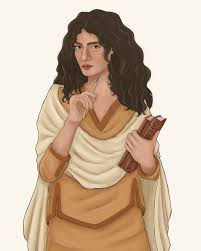
Women of the Letter – Copyists, Poets, and Scholars
In the splendor of Cordoba, access to knowledge was not an exclusively male privilege. Al-Andalus distinguished itself as an ecosystem where female talent flourished at the highest levels of intellectual property and public administration. This chapter pays tribute to the women who did not just consume culture but produced and managed it.
1. The Copyists' Quarter: The Female Engine
In the famous Arrabal quarter of Cordoba, hundreds of women worked professionally as copyists. It is estimated that in one area of the city alone, more than 170 women were dedicated to transcribing manuscripts, ensuring the constant flow of books into libraries and the marketplace.
Lubna of Cordoba: Personal secretary to Caliph Al-Hakam II, Lubna was not just a copyist but an expert in grammar, metrics, and mathematics. She was responsible for organizing and acquiring many of the treasures of the Great Library.
2. Poetry as Empowerment
Figures such as Wallada bint al-Mustakfi represented intellectual independence. Her literary salon was the epicenter of the Cordoban avant-garde. Through their verses, Andalusi women expressed their autonomy, participated in political debates, and challenged social conventions, using literature as a shield of prestige.
3. Education and Specialization
Unlike other contemporary regions, many women in Al-Andalus received a rigorous education in law, medicine, and religion. There were female doctors, market judges, and teachers who trained the next generations of scholars, ensuring that the transmission of knowledge was a task shared by the whole of society.
4. Influence in Modern Times: Leadership and Inclusion
The presence of these women at the peak of Andalusi knowledge resonates with modern values of equity. Today it is understood that diversity in knowledge management is not just a matter of justice, but of operational efficiency.
Inclusive Talent: Just as the Caliphate relied on minds like Lubna’s to manage its most valuable asset—information—modern organizations thrive when they eliminate bias and allow technical and creative talent to lead, regardless of origin or gender. Inclusion is the engine of innovation.
"In the hands of the copyists of Cordoba, calligraphy became a tool for freedom. Knowledge in Al-Andalus had no gender; it had excellence."


Comments