
The Agricultural Revolution in Al-Andalus

Updated: Apr 24
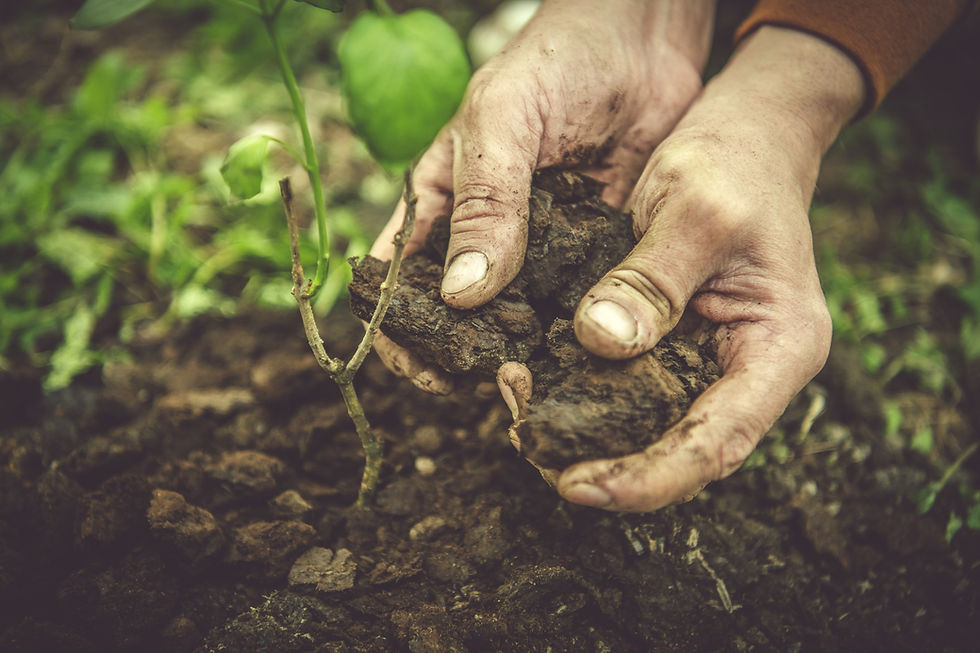
The Alchemy of the Earth – Soil Science and Fertilization
While the previous chapters focused on what was planted and when, this chapter explores the how of sustainability. The agronomists of Al-Andalus understood that water and seeds were useless without a healthy, nutrient-rich substrate. They developed a sophisticated system of soil classification and fertilization that preceded modern organic farming by centuries.
1. The Typology of Soils
The scholars of the time, such as Ibn Bassal, did not treat all land equally. They established a rigorous classification system based on texture, temperature, and moisture-holding capacity:
Warm Soils (al-ard al-harra): Preferred for early spring crops and species from tropical origins like sugarcane.
Cold and Humid Soils: Reserved for plants requiring deep root systems and consistent moisture.
The Sand-Clay Balance: They mastered the art of "soil amendment," mixing different types of earth to create the perfect texture for specific crops, a technique known today as "soil conditioning."
2. The Science of Fertilization (al-Zibl)
In Al-Andalus, waste was a resource. They developed a complex hierarchy of fertilizers, recognizing that different plants required different nutrients:
Animal Manure: They classified it by potency (pigeon and poultry manure were highly prized for their high nitrogen content, used sparingly for delicate crops).
Green Manure: The practice of plowing back legumes and plant remains to fix nitrogen in the soil.
Composting: They used "landfills" specifically designed to ferment organic matter, ash, and lime, creating a rich humus that was distributed through the irrigation channels.
3. Crop Rotation and Fallow Management
To prevent "soil fatigue," a concept they documented extensively, they implemented advanced rotation cycles:
Alternation: They alternated nitrogen-depleting crops (like cereals) with nitrogen-fixing ones (like broad beans or chickpeas).
Intercropping: Planting different species in the same plot (e.g., legumes under fruit trees) to maximize space and nutrient exchange.
Fertilizer Type | Technical Name | Primary Use | Effect |
Pigeon Guano | Zibl al-hamam | High-value orchards and citrus. | Rapid growth and flowering. |
Vegetal Ash | al-ramad | Vineyards and olive groves. | Provides potassium and controls acidity. |
Composted Humus | al-turba | General vegetable gardens (al-munya). | Improves water retention and structure. |


Comments